1 March 2026
It’s seven in the morning. The construction site is still cool, the air heavy with moisture and the scent of freshly cut concrete. The crew sets up their tools: a concrete mixer, a cut-off saw, work lights, chargers for power tools. Someone plugs in an extension cord. Someone else checks the protection devices.
And this is where the real story of every project begins:
Will the power supply be stable, safe, and resistant to site conditions — or will the RCD trip, the overload protection kick in, or worse, equipment get damaged?
What Are EXT Distribution Boards – and Why Were They Created?
Phrases that often appear when choosing them include:
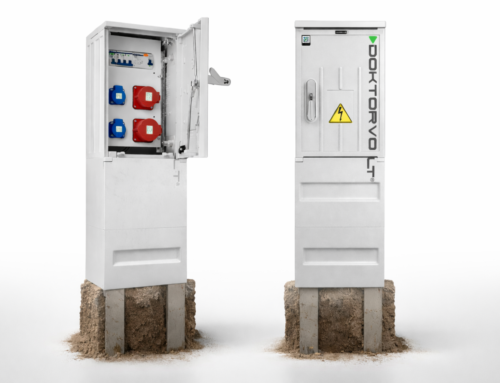
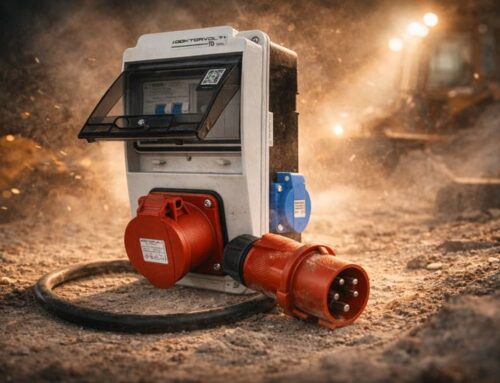
EXT construction distribution boards
portable distribution boards 230V/400V
IP65 site power box
distribution board with RCD protection
CEE distribution board 16A / 32A
It’s a solution for those who want power under control — not something they have to struggle with every day.
Why Is a Standard Extension Cord Not Enough?
Because a construction site isn’t a living room.
At any given moment, you might have:
a 400V concrete mixer running,
a 230V grinder in use,
a heater operating,
work lights on,
power tool chargers plugged in.
Without proper power distribution, it’s easy to run into:
circuit overloads,
voltage drops,
tripped protection devices,
equipment damage.
And in practice, that means: less stress, fewer losses, fewer unexpected interruptions.
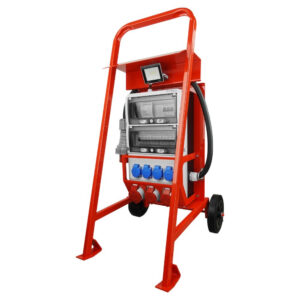
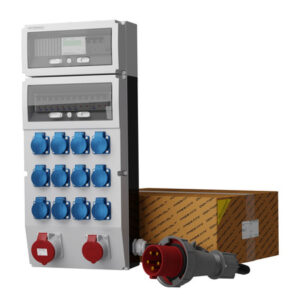
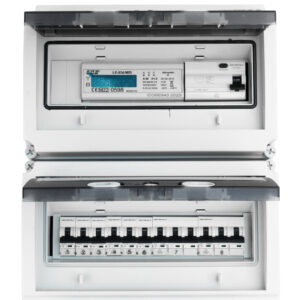
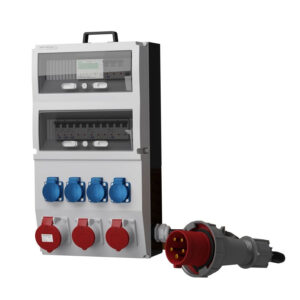
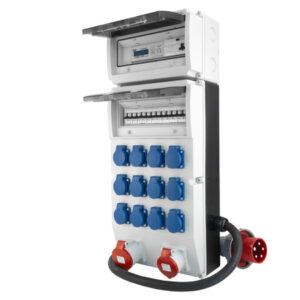
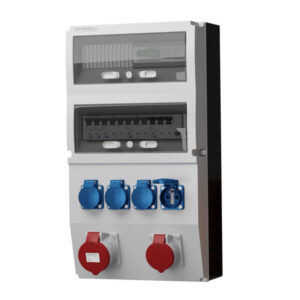
Construction and Design of the EXT Series
Enclosure – Real-World Durability
The EXT series uses enclosures with enhanced protection (often rated IP65), which means:
protection against dust,
resistance to water jets,
safe operation outdoors.
Solid locks, ergonomic handles, stable bases — everything designed for real working conditions.
Not marketing. Mechanics.
Protection Devices – The Heart of the Distribution Board
Every construction distribution board should include:
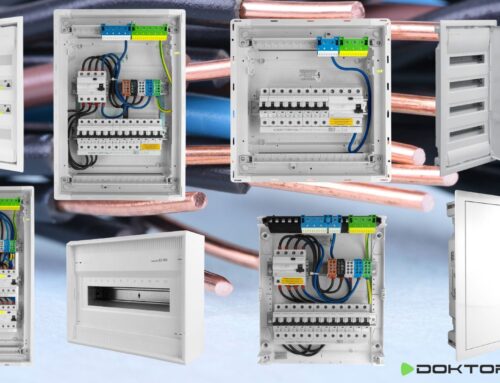
circuit breakers (MCBs),
a residual current device (RCD),
proper protection for both 230V and 400V circuits.
against electric shock,
against overload,
against short circuits.
And that’s the difference between “it works” and “it works safely.”
Real-World Application Scenarios
1. Single-Family House Construction Site
Masonry work continues for several weeks. The crew changes, the equipment changes — but the power supply must remain stable.
provide clear circuit separation,
allow multiple machines to operate simultaneously,
minimize the risk of downtime.
The result? The project stays on schedule.
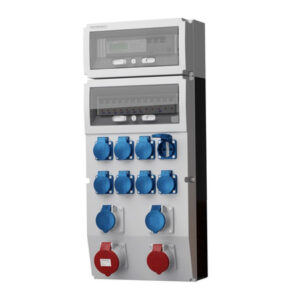
Installing a PV system is a step-by-step process:
drilling,
electrical connections,
inverter configuration,
system testing.
Here, mobility and safety matter.
An EXT distribution board allows:
powering electric tools,
connecting measurement equipment,
safe operation in changing weather conditions.
This is especially important when the installer works in the garden, on the roof, or out in the field.
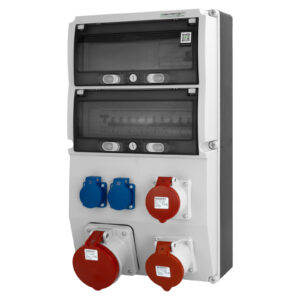
3. Workshop and Technical Facility
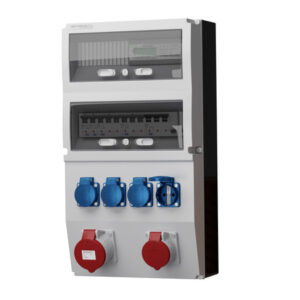
In a workshop, the following often run at the same time:
an air compressor,
a welding machine,
a table saw,
lighting.
The result? Smooth operation. No surprises.
FAQ – Frequently Asked Questions
1. Are EXT distribution boards suitable for use in the rain?
Yes. When used according to safety guidelines and with all covers properly closed, their IP65 rating provides protection against splashes and dust.
2. Can I connect 400V and 230V devices at the same time?
3. Does the distribution board require additional protection?
It should always be connected to a properly protected power source in accordance with electrical installation standards.
4. How do I choose the right model?
First, determine the maximum load, the number of connected devices, and the working environment. If in doubt, consult a qualified installer.
Summary – A Decision That Pays Off
Energy is the foundation of every technical job. If its distribution fails, everything fails.In engineering, what matters is substance.EXT distribution boards are not a “nice extra.” They are working tools. They are meant to operate:every day,