

1 October 2026
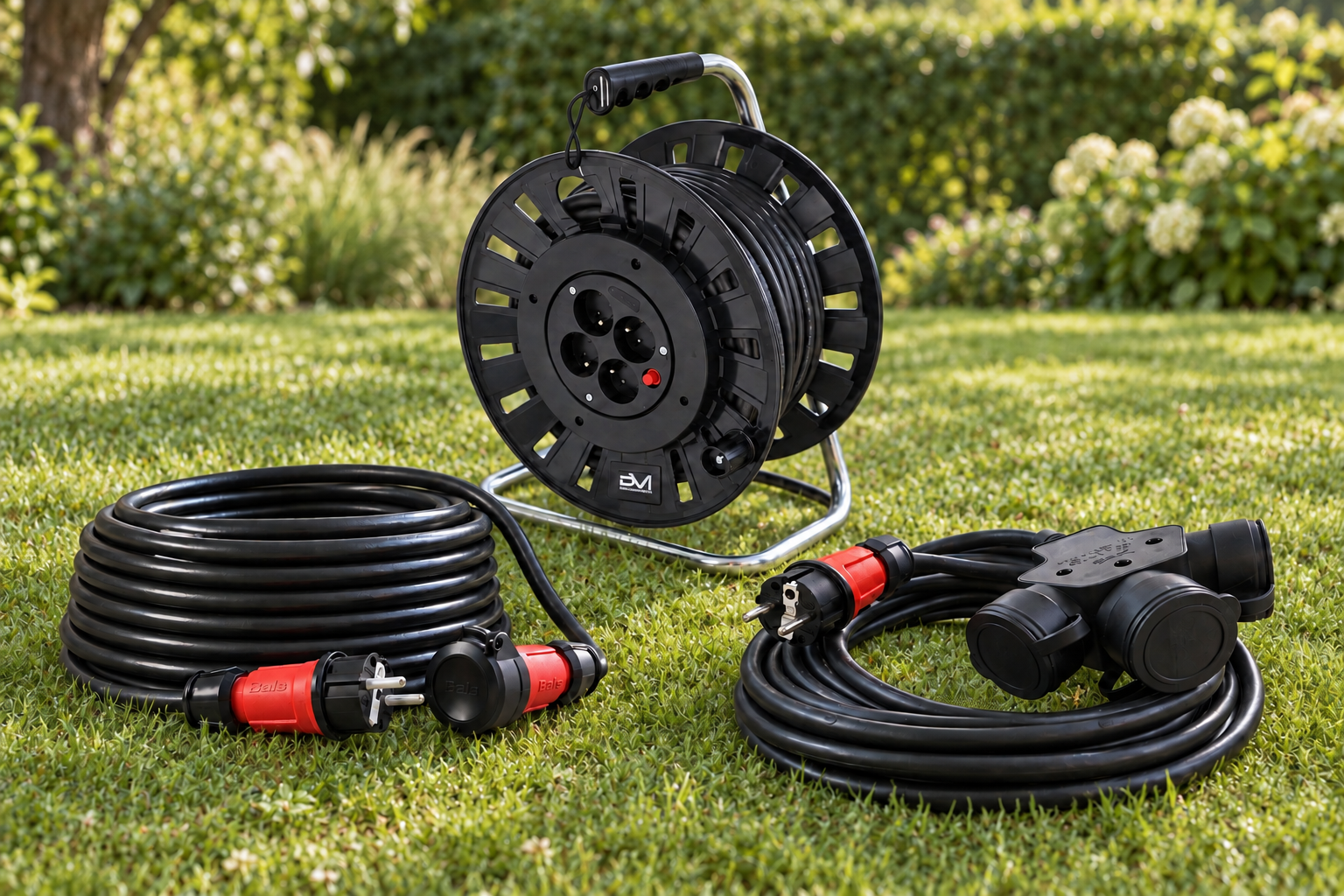
Mowing the lawn, tidying up the garage or carrying out renovation work often means using equipment far from a power outlet. That’s when an extension cord comes in handy. How do you choose one that suits your equipment and working conditions?
Cable length is just the starting point. Before buying, you should also check the maximum load, cable type, IP rating and socket type.
Garden Extension Cords — Check They Are Suitable for Outdoor Use
When choosing an extension cord for a lawn mower, grass trimmer or hedge trimmer, start by checking the equipment’s manual. Check the cable requirements and measure the distance from the power outlet to the farthest point where you will be working. Allow for the cable’s route and a little extra length so that it isn’t pulled tight during use.
Look for a model designed for outdoor use. An IP44 rating means protection against solid foreign objects measuring 1 mm or larger and splashing water. It does not provide protection against immersion. Connections should not be left in puddles, and the conditions of use must comply with the manufacturer’s instructions.
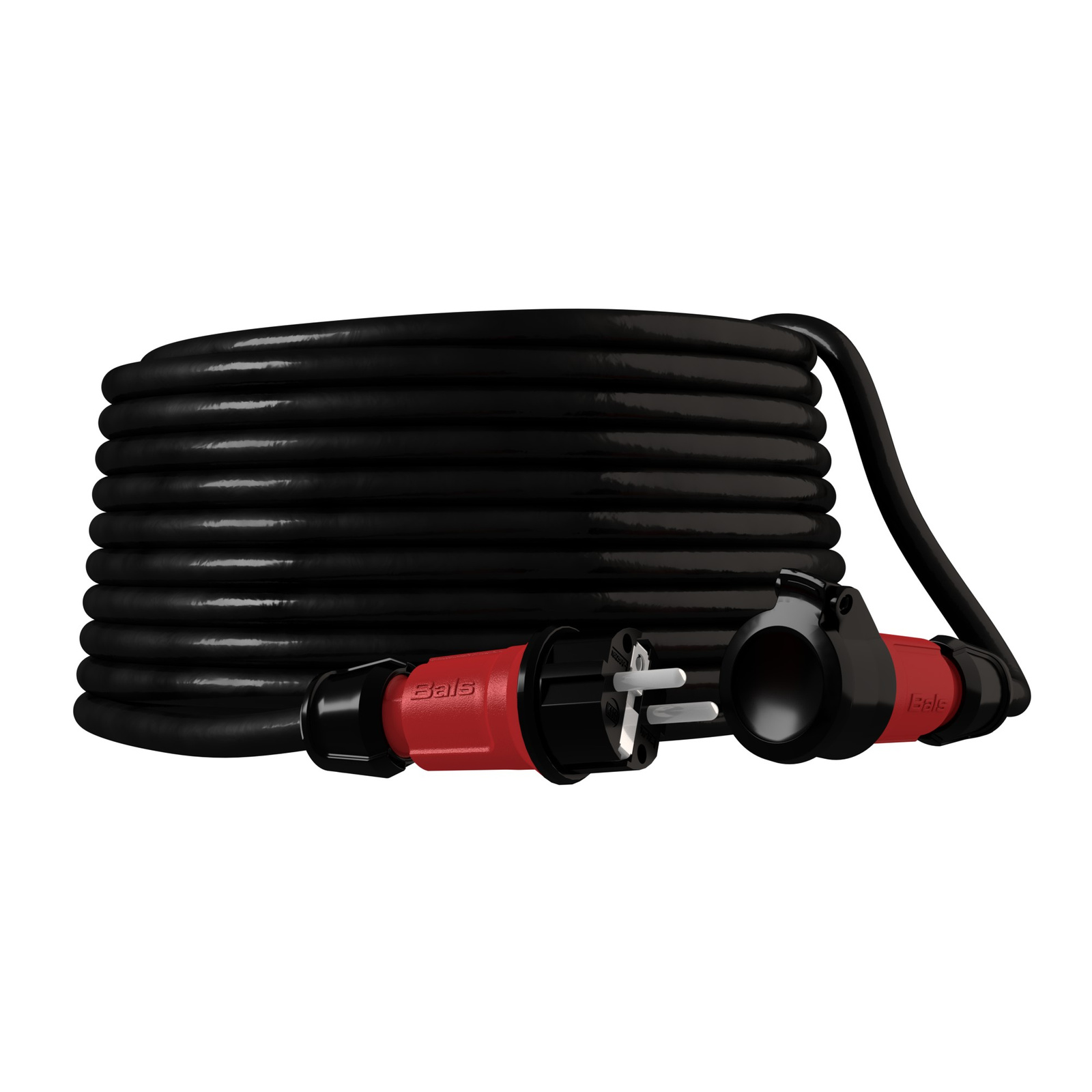
The Preis-Zone range includes the 25 m Doktorvolt DV-6534-F-230 extension cord. This model features an H07RN-F 3×1.5 mm² cable, an IP44 rating and a socket with an earthing pin. It is an option worth considering once you have checked the requirements of the equipment you intend to connect.
Garage Extension Cords — Choose the Right Number of Sockets for Your Needs
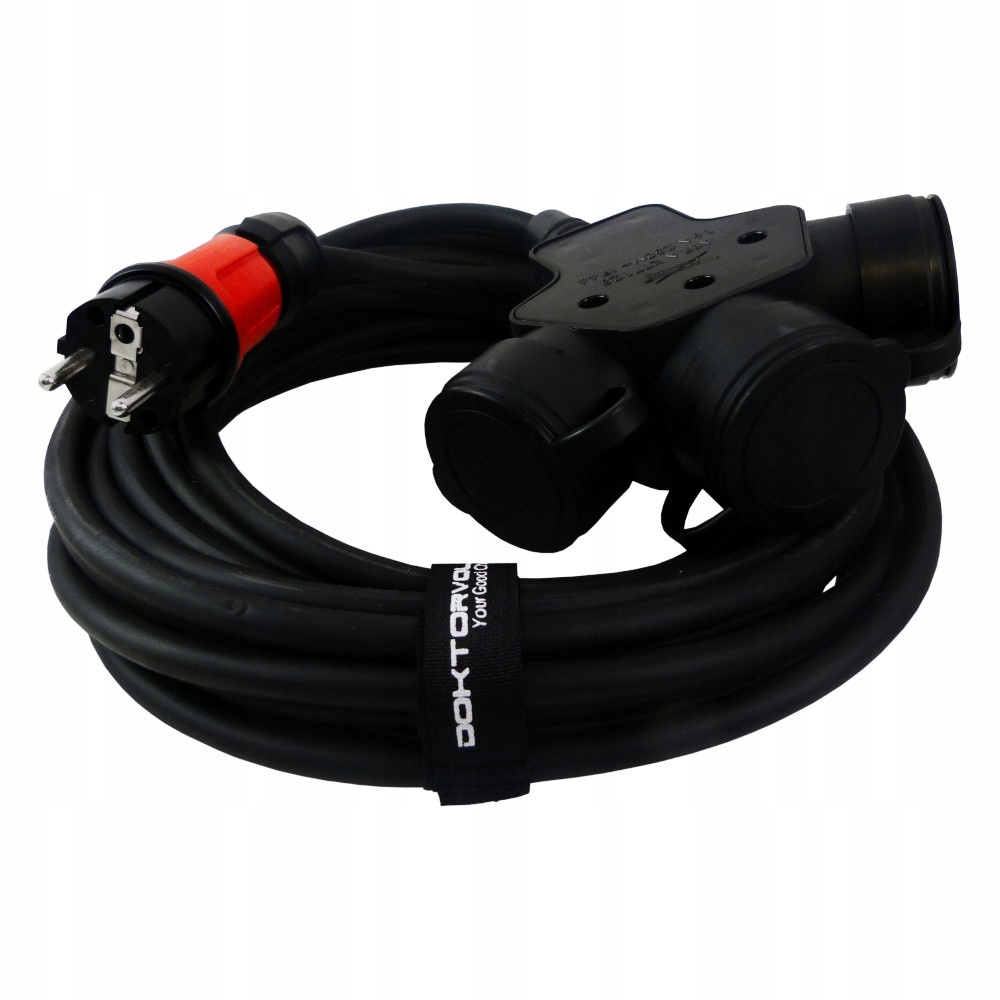
In the garage, an extension cord can power a work light, a power tool charger or equipment used for DIY projects. If you use several devices, a model with multiple sockets can be a convenient choice.
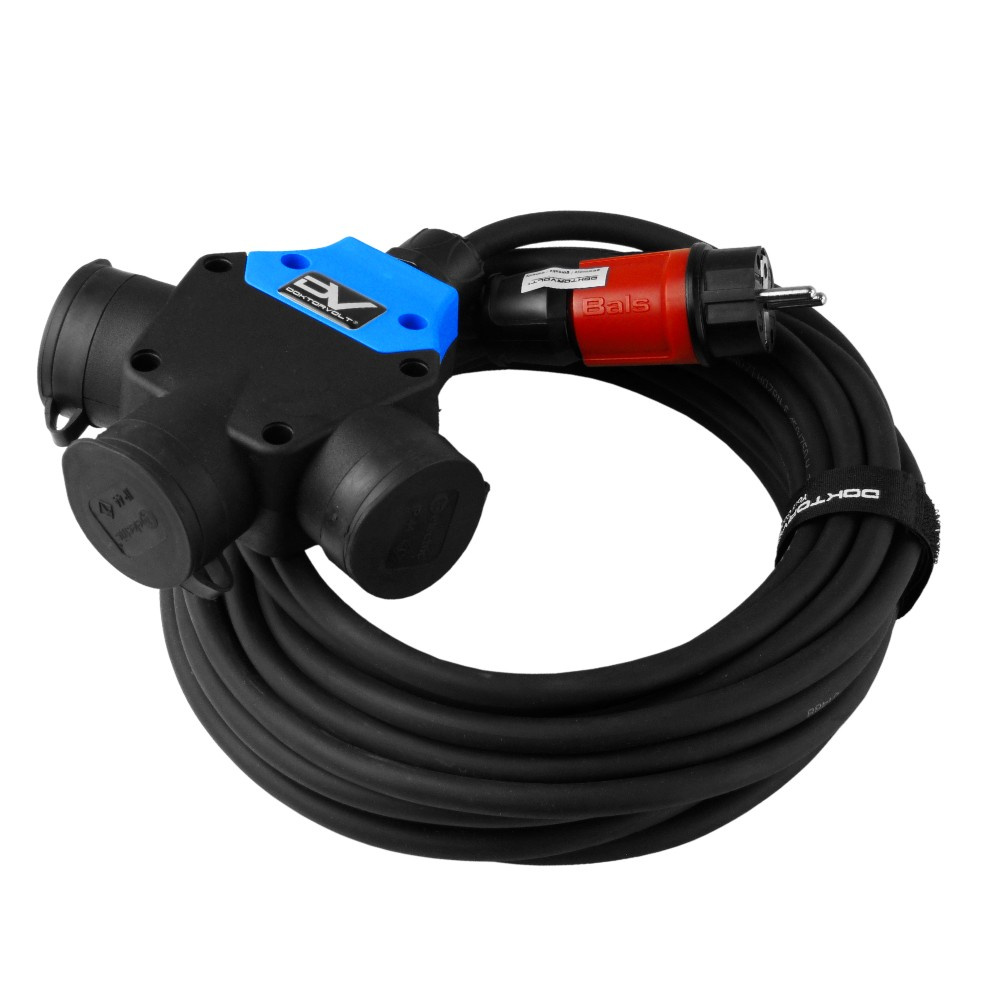
One example is the Doktorvolt DV-2145-3-W-Y three-way extension cord, which features a 10 m cable, three Schuko sockets and an IP44 rating. Before buying, check that your equipment’s plugs are compatible with this socket type.
Construction Site Extension Cords — Pay Attention to the Cable and Connectors
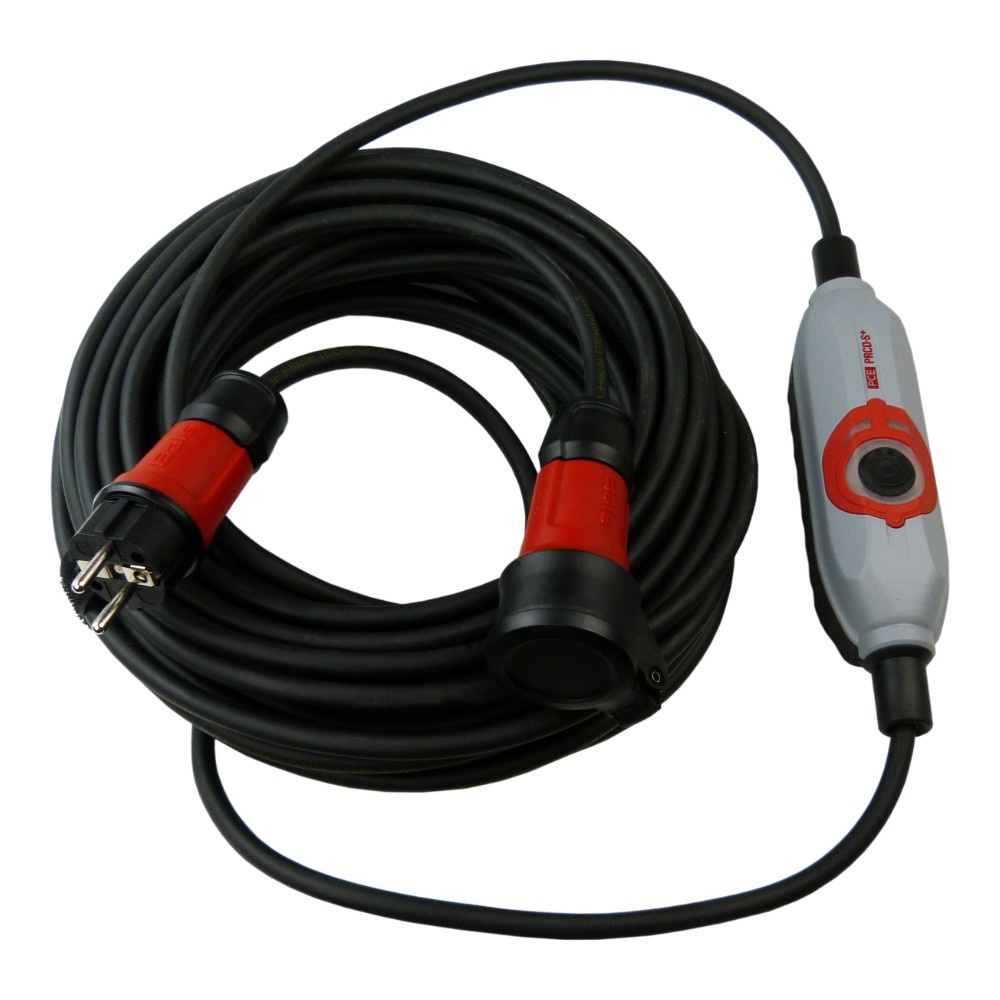
On a construction site, cables are frequently moved and exposed to dirt and rough surfaces. Look for products designed for these conditions, such as models with an H07RN-F cable. The IP rating alone does not describe all the cable’s properties or its resistance to mechanical damage.
Construction Site Extension Cords — Pay Attention to the Cable and Connectors
On a construction site, cables are frequently moved and exposed to dirt and rough surfaces. Look for products designed for these conditions, such as models with an H07RN-F cable. The IP rating alone does not describe all the cable’s properties or its resistance to mechanical damage.
Check the machine’s power supply requirements as well. The Preis-Zone extension cord range includes both 230 V models and 400 V CEE three-phase extension cords in 16 A and 32 A versions. Your choice must match the equipment’s requirements and the available power connection — choosing the right length alone is not enough.
Cable Reel or Standard Extension Cord?
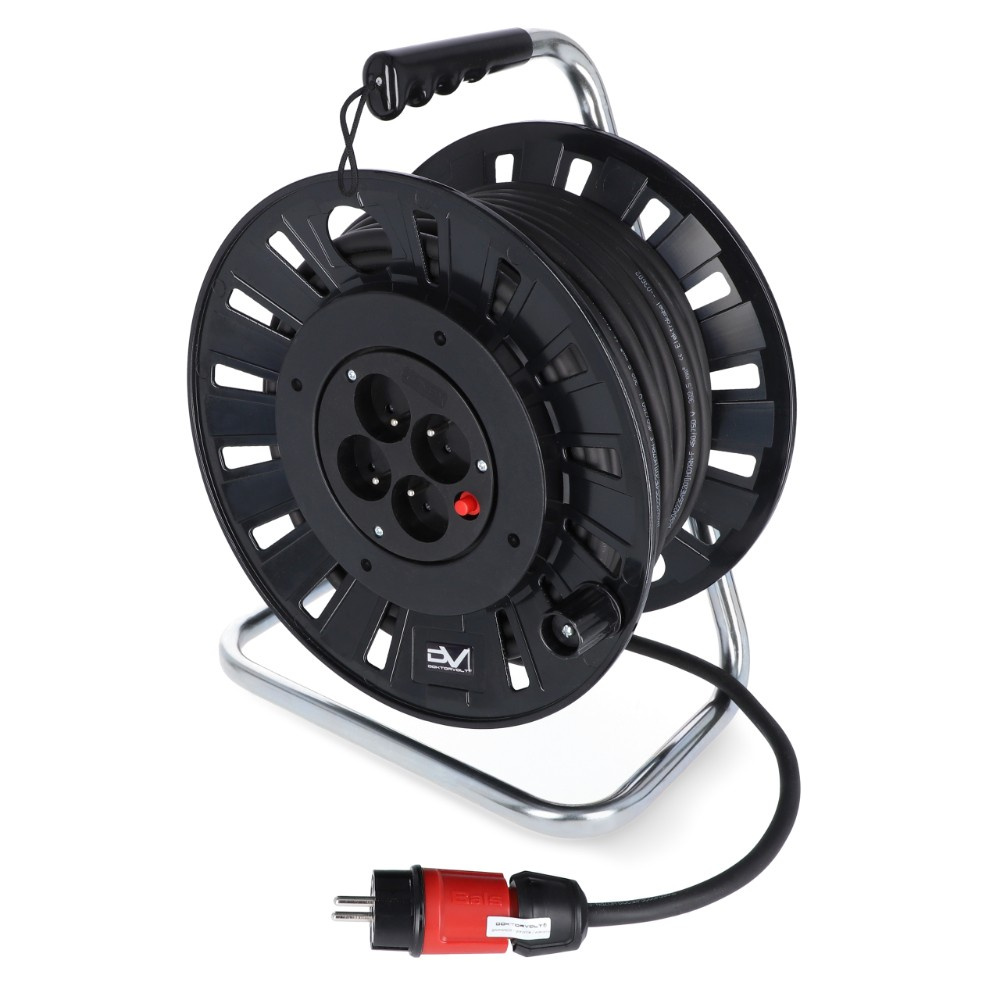
A single-socket extension cord is practical when powering one device and moving around frequently while working. A cable reel makes a long cable easier to wind up, transport and store. Browse the cable reels available at Preis-Zone.
When using a cable reel, remember that heat needs to dissipate. Fully unwind the cable before connecting equipment with a high power consumption. Observe the load limits specified for the cable when wound and unwound — they can differ considerably.
What Should You Check Before Buying?
Prepare a short checklist:
- Location of use: garden, dry garage or construction site.
- Required length: the distance measured along the cable’s actual route.
- Connected equipment: the requirements in the equipment manuals and the total power consumption.
- Extension cord specifications: cable type and cross-sectional area, maximum load and IP rating.
- Plugs and sockets: compatibility with the equipment and power source.
The right extension cord makes work easier wherever you need power. Explore the extension cords available at Preis-Zone and compare their specifications to find a model that suits your equipment and working environment.
Latest Posts
Custom Distribution Board — What Information Should You Include in Your Enquiry to Get an Accurate Quote?
1 October 2026
Doktorvolt at MSPO 2026 – Thank you for meeting us in Kielce!
11 September 2026
DOKTORVOLT invites you to MSPO 2026 in Kielce!
3 September 2026
DV-5329-D – a distribution box that can control lighting automatically
1 September 2026