

1 September 2026
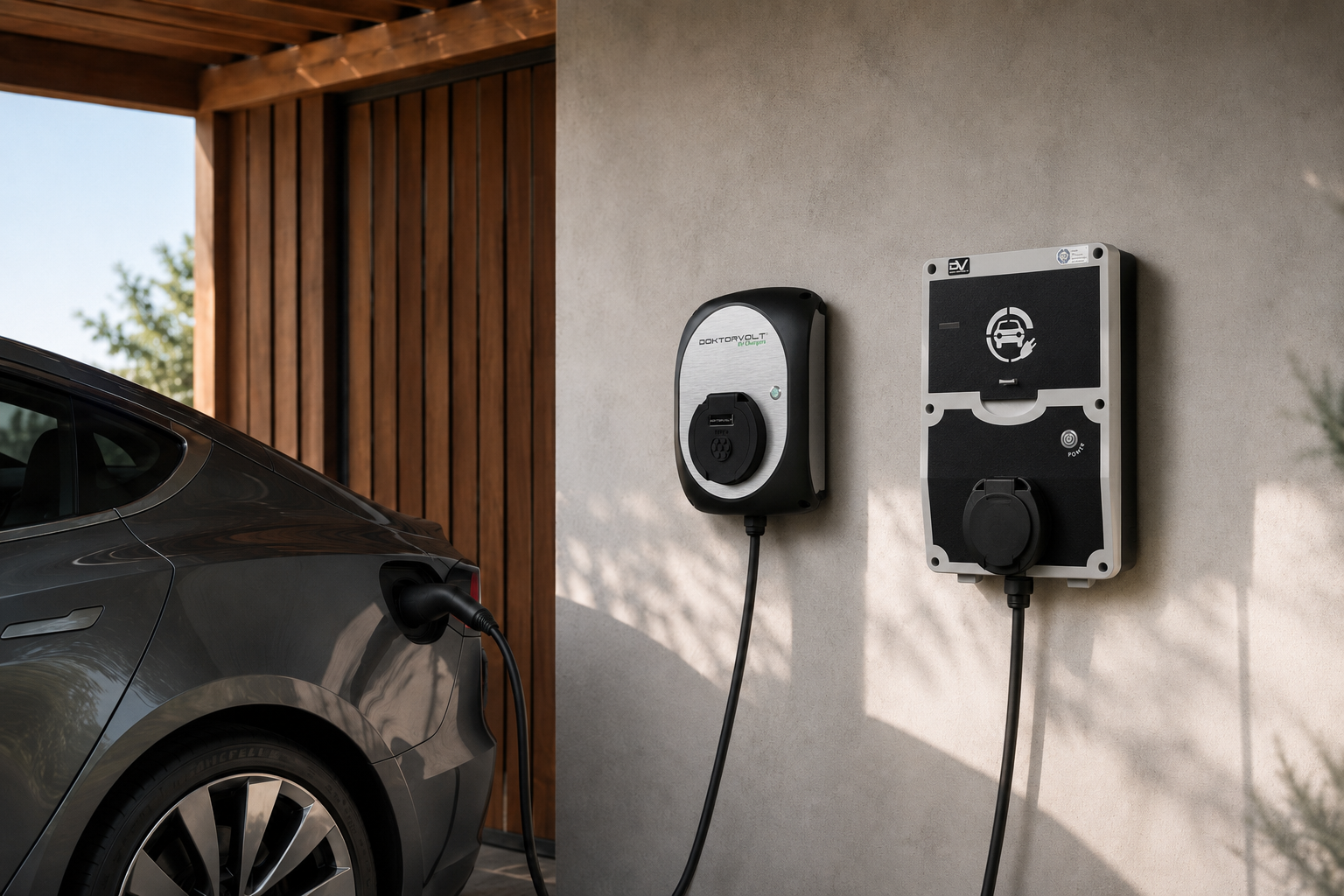
When choosing a wallbox, it is easy to think: 22 kW is more powerful, so it must be better. At home, that is not always how it works.
You can install a 22 kW wallbox, and the car may still charge at only 11 kW. The reason is simple: the car has its own maximum AC charging power and will not draw more than it is designed to accept.
That is why, before buying, it is worth checking two things: how much AC power the car can accept and how much power the home electrical installation can safely supply.
Kiedy 11 kW w zupełności wystarczy?
Dla wielu użytkowników właśnie 11 kW jest najbardziej rozsądnym wyborem do domu.
Jeżeli samochód obsługuje maksymalnie 11 kW AC, mocniejszy wallbox nie przyspieszy ładowania. A nawet jeśli auto może przyjąć więcej, warto zadać sobie pytanie, czy rzeczywiście tego potrzebujesz.
Samochód zwykle stoi w garażu całą noc. Podłączasz go wieczorem, rano odłączasz i jedziesz. W takim scenariuszu liczy się przede wszystkim wygoda i pewność, że bateria będzie gotowa na kolejny dzień, a nie każda zaoszczędzona minuta.
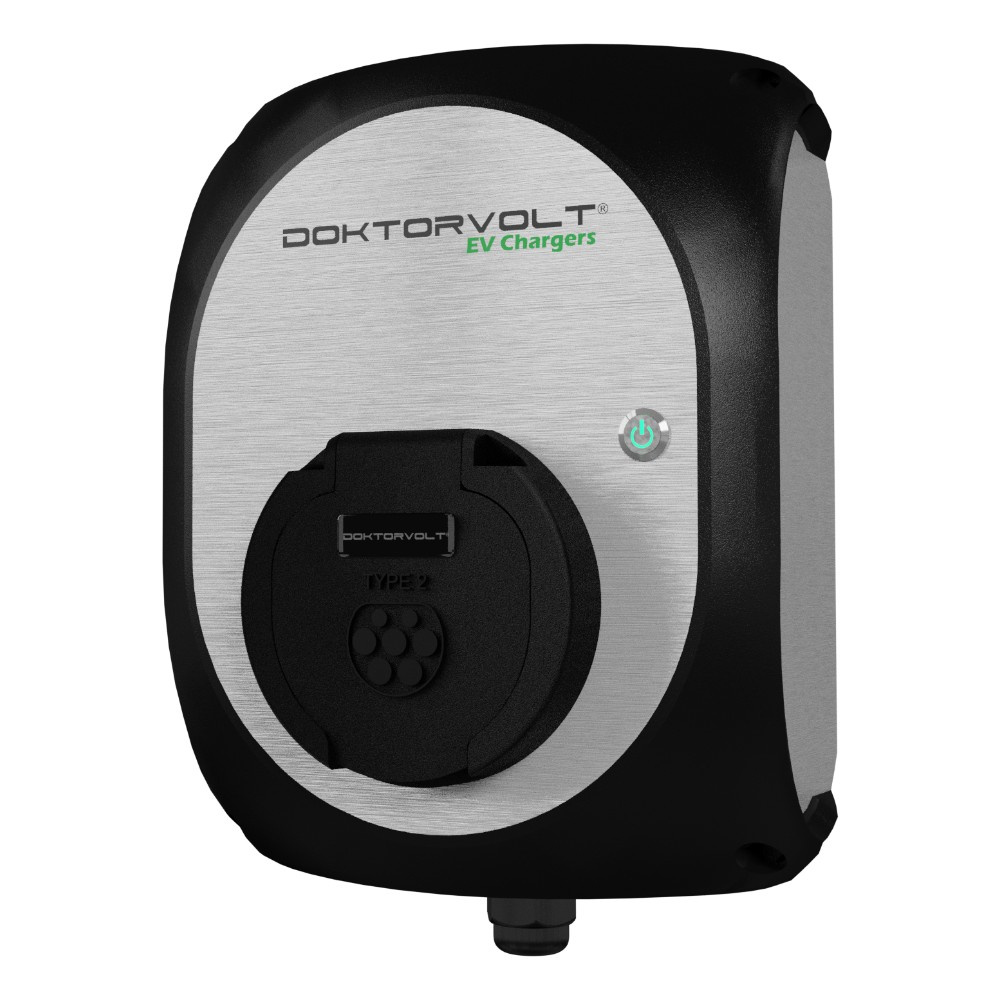
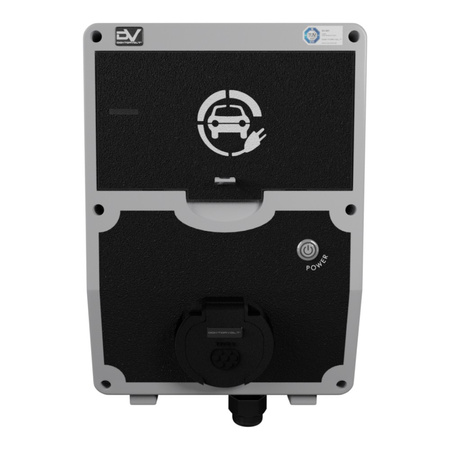
Wallbox 11 kW pracuje przy instalacji trójfazowej 400 V i prądzie około 16 A na fazę. W ofercie Doktorvolt przykładem takiego rozwiązania jest WALLBOX DV-8706-EV 11 kW z gniazdem Typ 2.
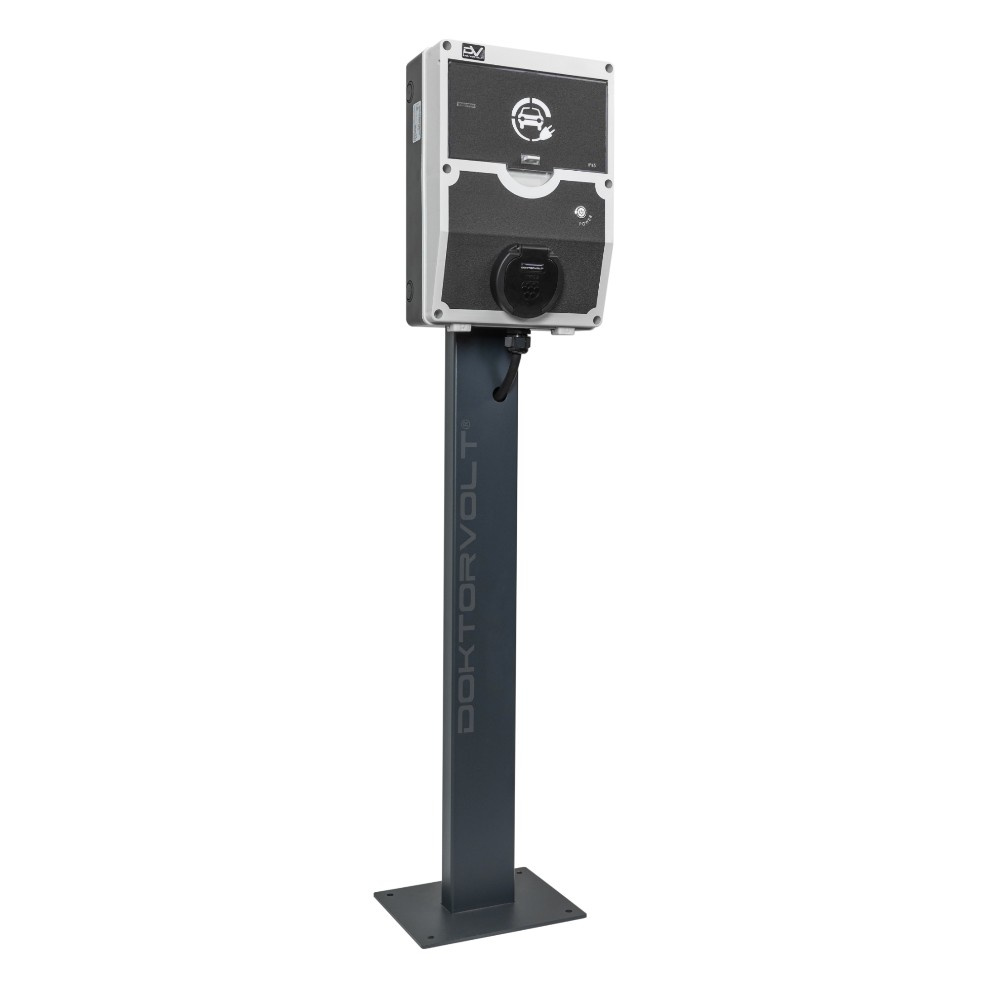
Jeśli zależy Ci na jeszcze prostszej obsłudze, Doktorvolt DV-9970-EV 11 kW ma przewód Typ 2 na stałe. Podjeżdżasz, wpinasz przewód i gotowe.
22 kW makes sense when the car can actually use that level of power and the home electrical installation is prepared for it.
It is a good option if you drive a lot, the car often returns home for only a few hours, or you want to prepare the charging point for a future vehicle as well.
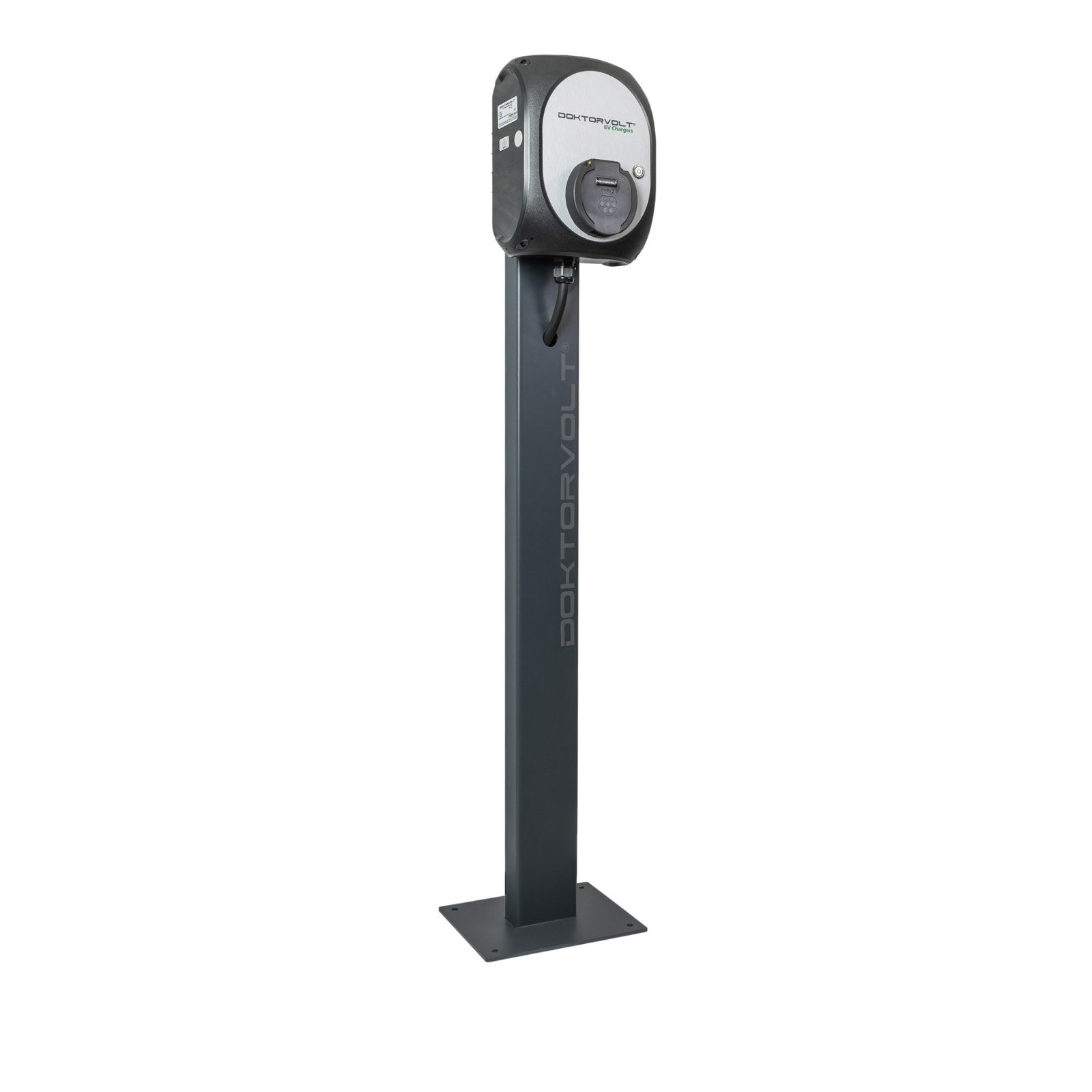
The Doktorvolt range includes, among others, the WALLBOX DV-8690-EV 22 kW with Type 2 socket.
There is one important thing to keep in mind: at full power, a 22 kW wallbox requires around 32 A on each of the three phases. That is a much higher load than with an 11 kW wallbox.
And at the same time, the home may also be running an induction hob, oven, heat pump or other electrical appliances. That is why, before installing a 22 kW wallbox, it is worth checking the available connection capacity and the condition of the electrical installation with a qualified electrician.
- your car can take advantage of the higher charging power,
- your home electrical installation has sufficient capacity,
- you often need to recharge the battery quickly,
- you want to future-proof the charging point for your next car.
Or maybe a portable wallbox?
Not everyone needs a charger permanently mounted on the wall.
If you also want to use it away from home, portable models from Doktorvolt are an interesting option. The DV-7280-EV 11 kW uses a CEE 16 A socket, while the DV-6214-EV 22 kW uses a CEE 32 A socket.
This solution is particularly practical if you have access to suitable CEE sockets in another garage, workshop or holiday home as well.
For most home users, 11 kW will be the sweet spot. A 22 kW wallbox is worth choosing not because the number looks better, but because you can actually make use of the extra charging power.
A good wallbox does not have to be the most powerful one. It should simply be matched to the car, the electrical installation and your everyday charging habits.
Latest Posts

Doktorvolt at MSPO 2026 – Thank you for meeting us in Kielce!
11 September 2026

DOKTORVOLT invites you to MSPO 2026 in Kielce!
3 September 2026
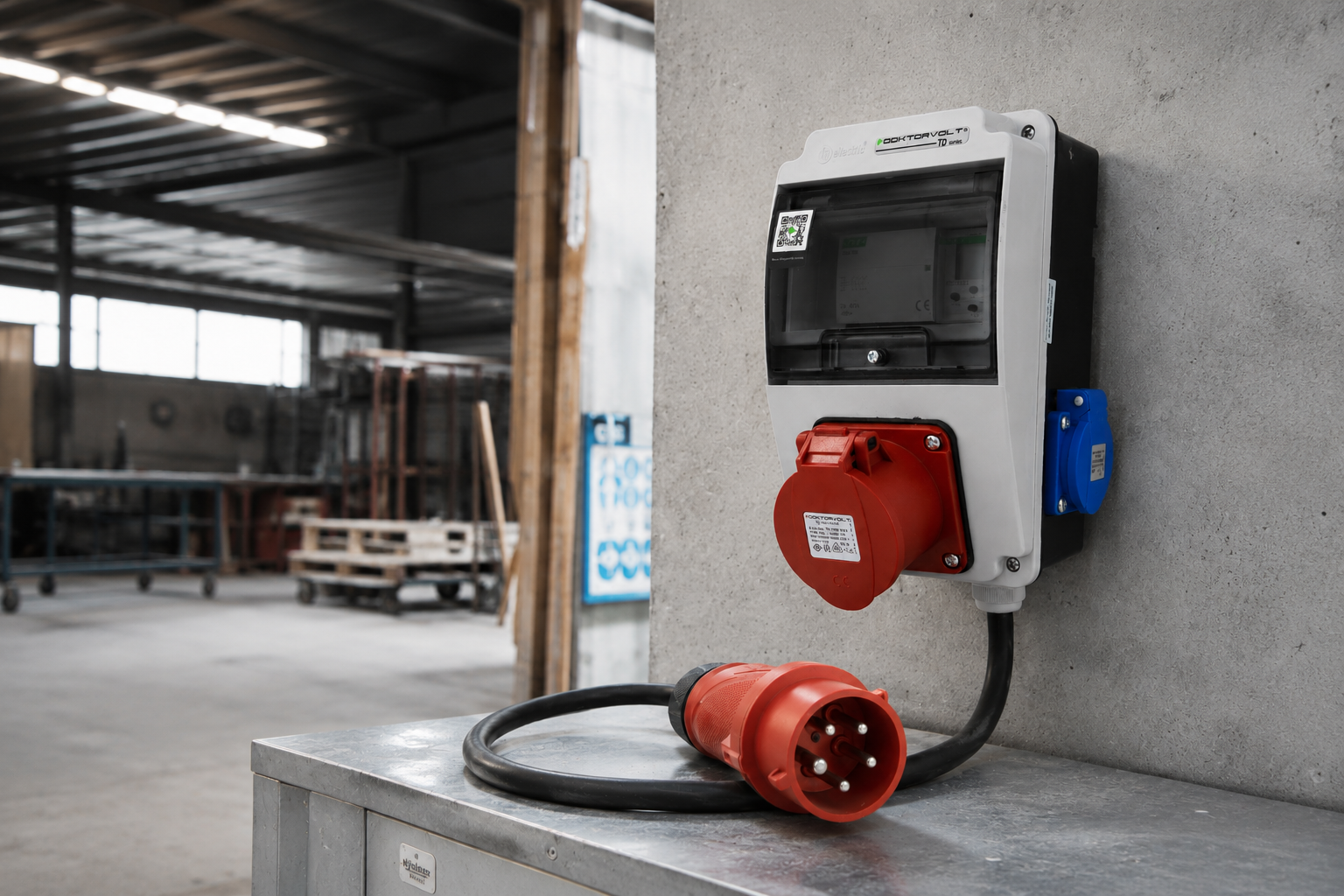
DV-5329-D – a distribution box that can control lighting automatically
1 September 2026
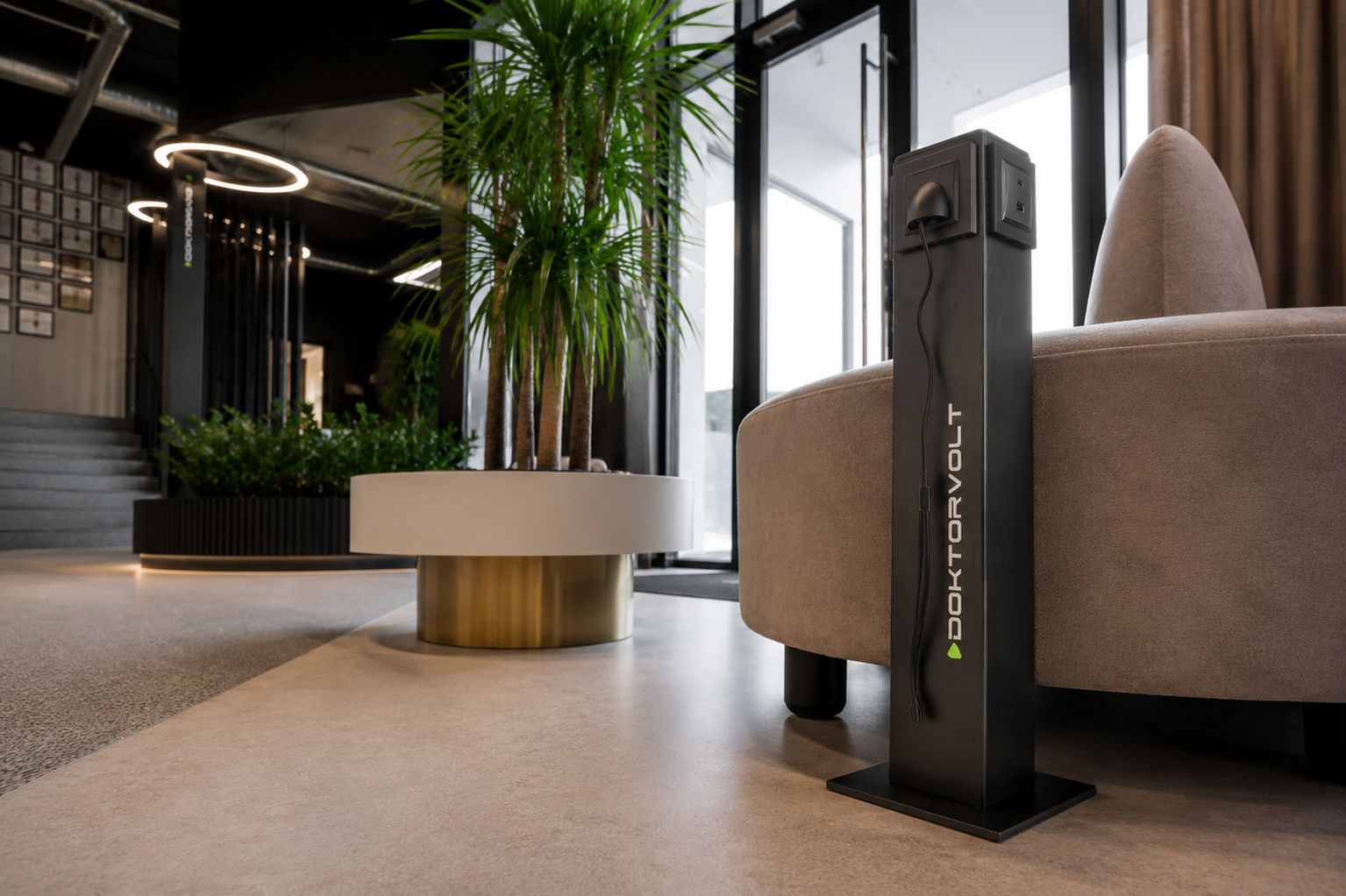
No more dead phones for your customers. Discover the multifunctional Doktorvolt DV-6463-USB charging station!
1 August 2026